
Replacing your air filter is one of the simplest and most recommended maintenance tasks for any air conditioning system. So when homeowners change their filter expecting improved performance and instead notice their AC still isn’t cooling properly, or has even gotten worse, it can be genuinely confusing. At David’s HVAC, we help homeowners throughout the Denver Metro area work through exactly this kind of situation.
If you’ve recently replaced your filter and your system still isn’t cooling your home the way it should, there are a few specific possibilities worth understanding.
The Wrong Filter Size or Type
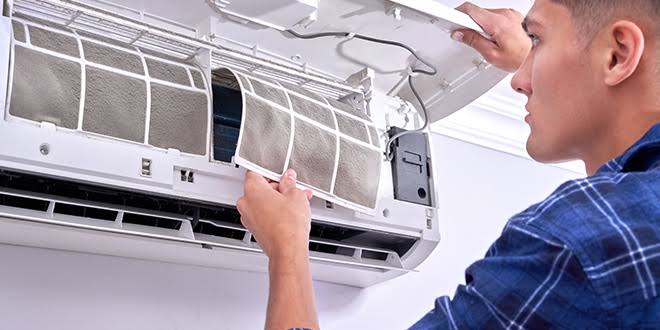
One of the most common causes of this problem is simply having the wrong filter installed. If the new filter doesn’t fit properly, air can bypass it entirely around the edges, which reduces filtration effectiveness and can also affect airflow. Additionally, filters with a very high MERV rating are more restrictive, and if your system wasn’t designed for that level of filtration, it can actually reduce airflow rather than improve it.
Double-check that your replacement filter matches the correct size and that you haven’t significantly increased the filtration rating beyond what your system’s manufacturer recommends.
The Filter Was Installed Backward
It’s an easy mistake to make. Most filters have an arrow printed on the frame indicating the correct direction of airflow. If installed backward, the filter won’t function correctly and can restrict airflow more than intended. Take a moment to confirm the arrow is pointing toward your system, in the direction air flows from your living space into the unit.
The Real Problem Was Never the Filter
Sometimes homeowners replace their filter because they’ve noticed reduced cooling performance, reasonably assuming a dirty filter was the cause. But if the filter wasn’t actually the source of the problem, replacing it won’t resolve the underlying issue. The timing can simply be a coincidence, meaning something else, like low refrigerant, a failing component, or a dirty condenser coil, is the actual cause.
A Frozen Evaporator Coil Hasn’t Fully Thawed
If your system had restricted airflow from a severely clogged filter before you replaced it, there’s a chance ice had already formed on the evaporator coil. Simply changing the filter doesn’t melt existing ice. If your coil is still frozen, your system won’t cool effectively until it has fully thawed, which can take several hours with the system turned off.
Airflow Issues Beyond the Filter
Your air filter is only one part of your system’s overall airflow. Blocked vents, closed dampers, obstructed return air grilles, or issues within your ductwork can all continue to restrict airflow even with a brand new filter in place. If cooling performance doesn’t improve within a day or so of your filter change, it’s worth checking these other potential airflow restrictions.
Refrigerant Levels Are Unrelated to Filter Changes
It’s important to understand that your air filter has no impact on refrigerant levels. If your system’s poor cooling was actually caused by a refrigerant leak, replacing the filter won’t make any difference. This is one of the more common reasons homeowners are surprised that a fresh filter didn’t solve their cooling problem.
Give It a Little Time
In some cases, especially if your filter was extremely dirty beforehand, your system may take a short period to return to normal performance after airflow improves. However, if you don’t notice any improvement within 24 hours, it’s a sign that something else is contributing to the problem.
What to Do Next
If you’ve confirmed the filter is the correct size, properly installed, and facing the right direction, and your system still isn’t cooling effectively, it’s time to look beyond the filter itself. At this point, a professional inspection is the most reliable way to identify what’s actually happening.
How David’s HVAC Can Help
We provide dependable residential HVAC services throughout the Denver Metro area, including thorough inspections that go beyond the obvious and identify the actual source of a cooling problem. Rather than guessing, we check every relevant component, including airflow, refrigerant levels, and electrical connections.
If you’re still dealing with AC not cooling properly even after replacing your filter, we’ll help you understand exactly what’s going on and provide honest, upfront recommendations before any repairs begin.
Get to the Real Cause
A filter change is a great habit, but it isn’t a cure-all for every cooling issue. If your system still isn’t performing the way it should, don’t keep guessing.
Call David’s HVAC at 720-306-1598 or request service online, and we’ll help you get your home comfortable again.