
Introduction
Online entertainment has changed dramatically over the past decade. Traditional television, radio, and recorded videos once dominated the entertainment industry, but live streaming top casinos has introduced a new way for people to connect with audiences around the world. Today, the biggest live streamers attract millions of viewers through gaming sessions, live conversations, creative performances, reactions, and interactive events. Their ability to entertain people in real time has made them influential figures in modern digital culture.
Platforms such as Twitch, YouTube, TikTok, and Kick have helped creators build large communities and turn their hobbies into professional careers. Unlike traditional celebrities, live streamers often communicate directly with their viewers, creating a sense of participation and connection. As internet access improves and digital platforms continue to evolve, live streaming is becoming an increasingly important part of online entertainment.
The Early Development of Live Streaming
Live streaming began as a relatively simple way to broadcast video over the internet. Early creators often worked with limited equipment, basic cameras, and small audiences. Gaming quickly became one of the most popular streaming categories because viewers enjoyed watching skilled players, learning new strategies, and sharing their reactions during gameplay.
As technology improved, streaming became more accessible. Faster internet connections, better recording equipment, and user-friendly broadcasting software allowed more people to start their own channels. Platforms introduced features such as live chat, subscriptions, donations, and audience notifications, giving creators additional ways to interact with their followers.
These developments helped transform live streaming from a niche activity into a mainstream entertainment format. Creators who consistently delivered engaging content began attracting larger audiences, while some developed international recognition through viral moments and memorable broadcasts.
Why the Biggest Live Streamers Attract Millions of Viewers
The popularity of major streamers is not based on one factor alone. Successful creators combine entertainment, personality, consistency, and audience engagement to build lasting communities.
Authentic Personalities and Real-Time Reactions
One of the biggest advantages of live streaming is its spontaneous nature. Unlike edited videos, live broadcasts allow viewers to experience events as they happen. Unexpected reactions, funny conversations, gaming victories, and unscripted moments can make a stream exciting.
Audiences often appreciate creators who appear genuine and comfortable expressing their personalities. Humor, storytelling, confidence, and the ability to respond naturally to unexpected situations can help streamers stand out in a crowded digital environment.
Interactive Viewer Experiences
Live chat gives audiences an opportunity to participate rather than simply watch. Viewers can ask questions, suggest activities, share opinions, and react to events while the broadcast is taking place.
Large streamers frequently develop recognizable community traditions, inside jokes, and recurring segments. These features make viewers feel involved in a shared experience. When audiences believe their participation matters, they may be more likely to return for future streams.
Consistency and Memorable Content
Regular broadcasting helps creators establish predictable schedules and maintain relationships with their communities. Viewers can learn when their favorite streamer is likely to go live and plan their entertainment around those sessions.
Consistency alone, however, does not guarantee success. Streamers also need interesting ideas, strong communication skills, and a willingness to adapt their content. The most memorable creators often develop distinctive formats that audiences can recognize immediately.
The Role of Major Streaming Platforms
Different platforms have contributed to the growth of live entertainment in different ways.
Twitch and Gaming Communities
Twitch has played a significant role in establishing gaming as a major form of online entertainment. Its chat-focused experience allows streamers and viewers to communicate throughout a broadcast.
Gaming creators use Twitch to showcase competitive matches, casual gameplay, esports events, and community challenges. The platform has also helped popularize categories such as Just Chatting, where streamers talk with their audiences without focusing on a particular game.
YouTube and Diverse Entertainment
YouTube gives creators access to both live broadcasts and recorded videos. This combination allows streamers to reach new audiences through edited highlights, tutorials, short-form clips, and full-length streams.
A successful live broadcast can continue attracting attention after it ends when creators publish highlights or memorable moments. This helps extend the life of their content and introduces their personalities to people who may not have watched them live.
TikTok and Mobile-First Streaming
TikTok has made live entertainment accessible to audiences who primarily use mobile devices. Creators can broadcast conversations, performances, product demonstrations, and interactive sessions.
Its discovery features can help viewers encounter unfamiliar creators quickly. This creates opportunities for emerging streamers to develop audiences without first building a large following elsewhere.
Kick and the Expanding Streaming Market
Kick has added further competition to the streaming industry. As platforms compete for creators and audiences, differences in monetization policies, content rules, and creator agreements can influence where streamers choose to broadcast.
Competition can create new opportunities, but creators still need to consider audience preferences, platform stability, and the long-term sustainability of their careers.
The Biggest Live Streamers and Their Influence
The rise of major streamers demonstrates how individual creators can influence entertainment trends, gaming communities, and internet culture.
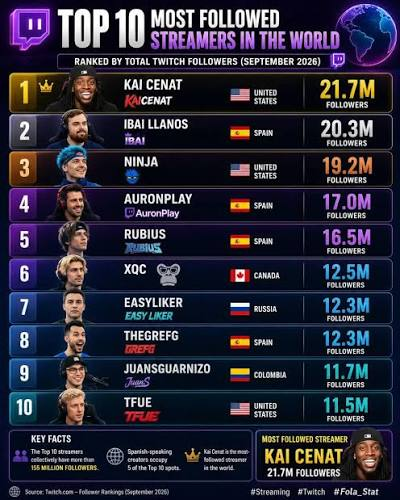
Personalities such as Kai Cenat, IShowSpeed, and Ibai Llanos have attracted substantial attention through energetic broadcasts, audience participation, gaming, collaborations, and large-scale events.
Each creator has a distinctive approach. Some build their brands around humor and unpredictable reactions, while others focus on gaming, sports, interviews, or community entertainment. Their success illustrates that live streaming does not depend on a single formula.
Major streamers can also influence the popularity of games, music, internet challenges, and online personalities. A widely shared moment from a live broadcast may spread across social media and reach millions of people who never watched the original stream.
Their influence extends beyond entertainment because collaborations and public appearances can connect online communities with mainstream culture. As a result, live streamers increasingly occupy a position between digital creators, entertainers, and media personalities.
How Live Streamers Earn Money
Live streaming has developed into a business opportunity for creators who can maintain engaged audiences. However, income varies significantly depending on popularity, location, platform rules, and the creator’s business strategy.
Subscriptions and Viewer Support
Many platforms allow viewers to purchase subscriptions or send voluntary contributions to support their favorite creators. These payments can provide recurring income, although earnings depend on audience participation and platform fees.
Some streamers also receive digital gifts during broadcasts. This model is particularly relevant to platforms that emphasize mobile-first and interactive entertainment.
Sponsorships and Brand Partnerships
Brands may collaborate with streamers to promote games, technology products, clothing, and other services. Creators with highly engaged communities can offer companies access to audiences that may be difficult to reach through traditional advertising.
Successful partnerships generally depend on audience relevance and credibility. Promotions that fit a streamer’s content are more likely to feel natural than unrelated advertisements.
Merchandise and Additional Content
Established creators may sell branded merchandise, organize paid events, or publish exclusive content. Some also expand into podcasts, music, business ventures, and collaborative productions.
Diversifying income can reduce dependence on a single platform. Nevertheless, building these revenue streams requires planning, responsible business management, and an understanding of audience expectations.
The Challenges of Becoming a Successful Streamer
Although live streaming can offer creative freedom, achieving long-term success is difficult. Thousands of creators compete for attention, and new channels may struggle to attract their first regular viewers.
Streaming also requires time, preparation, technical knowledge, and consistent communication. Long broadcasts can make it difficult to balance content creation with education, work, personal interests, and rest.
Privacy is another important concern. Public figures may face unwanted attention, harassment, impersonation, or the unauthorized sharing of personal information. Creators need appropriate moderation tools, clear community guidelines, and boundaries between their public content and private lives.
Platform policies and recommendation systems can also change. A streamer who relies entirely on one service may experience reduced visibility if its rules, features, or audience preferences shift. Building a community across multiple appropriate channels can provide greater flexibility.
The Future of Live Streaming
The future of live entertainment will likely involve more interactive formats, improved production tools, and new ways for audiences to participate. Advances in artificial intelligence, virtual environments, and real-time translation may help creators produce more accessible and engaging broadcasts.
Live streaming may also expand into education, fitness, travel, professional events, and creative demonstrations. This growth could attract audiences who are interested in more than gaming and celebrity entertainment.
At the same time, competition will encourage streamers to develop distinctive content and stronger community relationships. Rather than relying exclusively on follower counts, successful creators may increasingly focus on audience loyalty, meaningful interaction, and sustainable publishing schedules.
The relationship between short-form video and live broadcasts will remain important. Viral clips can introduce new viewers to a creator, while live sessions provide the deeper interaction that encourages those viewers to become regular community members.
Conclusion
The rise of the biggest live streamers reflects a major transformation in how people experience online entertainment. Live streaming combines real-time communication, personal expression, gaming, performances, and community participation in a format that traditional media cannot easily replicate.
Platforms such as Twitch, YouTube, TikTok, and Kick have created opportunities for talented creators to reach international audiences and develop professional careers. However, lasting success requires more than visibility. Authenticity, consistency, creative thinking, audience trust, and responsible community management all contribute to long-term growth.
As technology advances and digital habits continue to change, live streaming is likely to remain a powerful part of the entertainment industry. The creators who understand their audiences and deliver engaging experiences will be best positioned to shape the next generation of online entertainment.
