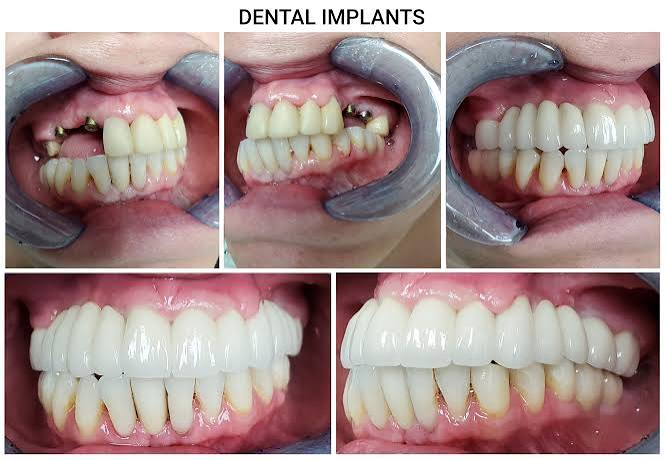

Dental implants have become one of the most popular solutions for replacing missing teeth. They offer a durable, natural-looking alternative to traditional dentures and bridges while helping restore both function and confidence. If you are researching the best dental implants , understanding how they work, what makes an implant high quality, and what to expect during treatment can help you make a more informed decision.
What Are Dental Implants?
Dental implants are artificial tooth roots designed to replace the roots of missing teeth. They are commonly made from biocompatible materials such as titanium and are surgically positioned into the jawbone. Once the implant has integrated with the bone, a dental restoration such as a crown can be attached to create a functional replacement tooth.
Unlike removable dentures, implants are designed to become a stable part of the mouth. This can make everyday activities such as eating and speaking more comfortable. They can also provide support for other dental restorations when multiple teeth are missing.
Why Choose Dental Implants?
One of the main reasons people consider dental implants is their combination of appearance, stability, and long-term functionality. A properly planned implant can look similar to a natural tooth and can be designed to complement the surrounding teeth.
Dental implants can also help maintain jawbone structure. When a tooth is lost, the underlying bone may gradually lose density because it no longer receives stimulation from a natural tooth root. An implant can provide stimulation to the surrounding bone and may help reduce this type of bone loss.
Another advantage is convenience. Because implants are fixed in place, they do not need to be removed for routine daily activities. With appropriate oral hygiene and professional dental care, they can provide a long-lasting tooth replacement option.
What Makes the Best Dental Implants?
The term best dental implants does not refer to one specific product that is ideal for every patient. The right implant depends on individual dental needs, bone condition, overall oral health, and the treatment plan developed by a qualified dental professional.
Several factors are important when evaluating implant treatment.
High-Quality Materials
Dental implants are generally manufactured using materials designed to work safely with the body. Titanium is widely used because of its strength and biocompatibility. Some systems also use ceramic materials, depending on the patient’s circumstances and the dentist’s recommendation.
Proper Treatment Planning
Successful implant treatment starts with careful planning. A dentist may evaluate the teeth, gums, jawbone, bite, and overall oral health before recommending an implant. Dental imaging can also help the dental team understand bone structure and determine an appropriate treatment approach.
Experienced Dental Professionals
The skill and experience of the dental team can be just as important as the implant system itself. A qualified dentist or oral health professional can evaluate whether implants are appropriate and develop a treatment plan based on the patient’s specific needs.
Natural-Looking Restoration
The implant itself is only one part of the final result. The crown or other restoration placed on top of the implant plays an important role in appearance and function. A carefully designed restoration should fit comfortably and harmonize with the surrounding teeth.
The Dental Implant Process
Dental implant treatment generally takes place in several stages. The exact process varies depending on the patient’s condition.
The first step is a comprehensive dental examination. During this appointment, the dentist evaluates the missing tooth area and determines whether there is sufficient bone and healthy tissue to support an implant.
If the area is suitable, the implant can be placed into the jawbone. Over time, the bone can gradually bond with the implant through a process known as osseointegration. This creates a stable foundation for the replacement tooth.
After healing and integration, an abutment may be connected to the implant. The final crown is then designed and attached. In some cases, temporary restorations may be used during the treatment process.
Patients who do not have enough supporting bone may require additional procedures before implant placement. A dentist can explain whether such treatment is necessary based on individual imaging and examination results.
Benefits of Dental Implants
Dental implants offer several potential benefits for people with missing teeth. Their stability can make chewing and speaking easier compared with some removable options. They can also provide a more natural appearance when the restoration is properly designed.
Implants may also help preserve the structure of the jaw after tooth loss. Additionally, replacing a missing tooth can help maintain the alignment and function of the surrounding teeth.
Another benefit is durability. Although no dental restoration lasts forever, properly maintained implants can remain functional for many years. Regular dental examinations and good oral hygiene are important for maintaining the health of the implant and surrounding tissues.
Are Dental Implants Right for Everyone?
Dental implants are not automatically suitable for every person. Healthy gums and adequate bone support are important considerations. Certain medical or dental conditions may also affect treatment planning and healing.
Smoking, poor oral hygiene, uncontrolled health conditions, and active gum disease may increase the risk of complications. However, eligibility is determined on an individual basis, so patients should discuss their medical and dental history honestly with their dentist.
A professional examination is the best way to determine whether implants are appropriate and what treatment options may be available.
Caring for Dental Implants
Taking care of dental implants is similar in many ways to caring for natural teeth. Daily brushing and cleaning between the teeth are essential. Depending on the restoration and the patient’s needs, a dentist may recommend particular flossing methods or specialized cleaning tools.
Regular dental visits are also important. Professional examinations allow the dental team to monitor the implant, gums, surrounding teeth, and restoration.
Avoiding habits that can damage teeth or restorations is also helpful. Patients should follow their dentist’s specific instructions throughout and after treatment.
How to Choose the Best Dental Implant Provider
Choosing the right dental provider is an important part of the process. Look for a qualified professional with experience in implant dentistry and a strong focus on patient evaluation and treatment planning.
During a consultation, consider asking about the recommended implant system, expected treatment stages, healing time, restoration options, maintenance requirements, and potential risks. Understanding the complete treatment plan can make it easier to compare options.
It is also useful to choose a dental practice that uses appropriate diagnostic technology and follows established infection-control and safety procedures.
Cost and Long-Term Value
The cost of dental implants can vary considerably. Factors may include the number of implants required, the type of restoration, diagnostic procedures, bone-related treatments, and the location of the dental practice.
Instead of choosing a provider based only on the lowest price, patients should consider the overall quality of care, experience of the dental team, materials used, treatment planning, and follow-up support. A comprehensive treatment plan can help patients understand the expected costs before treatment begins.
Final Thoughts on the Best Dental Implants
Finding the best dental implants is about more than selecting an implant brand. The best solution is one that is appropriate for the patient’s oral health, carefully planned, professionally placed, and supported by a high-quality restoration and ongoing dental care.
Dental implants can provide a stable and natural-looking way to replace missing teeth, but treatment should always begin with a professional dental evaluation. By understanding the process, asking informed questions, and choosing a qualified dental provider, patients can take an important step toward restoring their smile and maintaining their oral health for the future.
