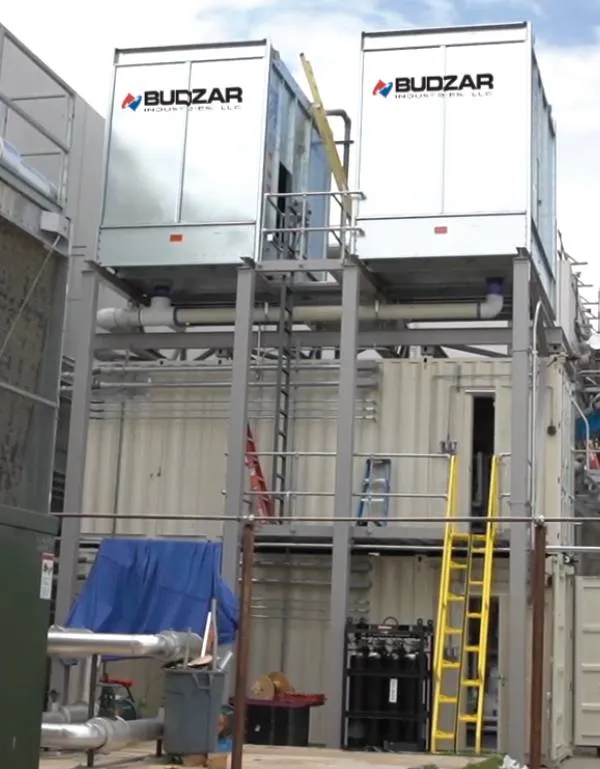

Industrial facilities require efficient and reliable cooling systems to maintain optimal operational performance. Among the many options available, propane chillers have emerged as a compelling choice for businesses seeking energy-efficient and environmentally friendly solutions. These systems utilize propane as a refrigerant, offering numerous benefits over traditional cooling technologies. This article explores the advantages of using propane chillers in industrial settings, emphasizing their efficiency, sustainability, and cost-effectiveness.
Energy Efficiency and Performance
One of the primary advantages of propane chillers is their exceptional energy efficiency. Propane, also known as R-290, has thermodynamic properties that allow it to transfer heat more effectively than many conventional refrigerants. This means that propane chillers can provide the same cooling capacity as traditional systems while consuming less energy.
For industrial operations, energy efficiency translates directly into lower utility bills and reduced operational costs. Facilities that rely on continuous cooling processes, such as food processing plants, chemical manufacturing facilities, or pharmaceutical production units, can see significant energy savings by switching to propane chillers. Additionally, these systems often achieve higher performance levels in extreme temperatures, ensuring consistent cooling without putting excessive strain on compressors or other mechanical components.
Environmental Benefits
Environmental sustainability is increasingly important for industrial businesses. Propane chillers offer a major advantage in this regard, as propane is a natural refrigerant with a very low global warming potential (GWP) and zero ozone depletion potential (ODP). Unlike traditional refrigerants, which may contribute to greenhouse gas emissions and ozone layer depletion, propane operates in a more environmentally responsible manner.
Industries adopting propane chillers can improve their environmental footprint and comply with stringent environmental regulations more easily. This aligns with corporate sustainability goals and can enhance a company’s reputation as an environmentally conscious organization. Companies investing in propane chillers demonstrate commitment to reducing emissions, which may also offer marketing and public relations advantages.
Safety and Regulatory Compliance
While propane is flammable, modern propane chillers are designed with safety as a top priority. Advanced engineering ensures that these systems operate within strict safety standards, including leak detection, pressure relief mechanisms, and proper ventilation. These features allow propane chillers to meet industrial safety regulations while providing reliable performance.
Many industrial sectors are now encouraged to transition to low-GWP refrigerants to comply with regulations such as the European F-Gas Regulation or the U.S. Environmental Protection Agency (EPA) guidelines. Propane chillers offer an excellent pathway to meet these requirements while maintaining operational efficiency, reducing the risk of regulatory penalties, and future-proofing industrial cooling systems.
Cost Savings Over Time
Although the initial investment for propane chillers may be higher than some traditional systems, the long-term savings often outweigh upfront costs. Energy efficiency reduces electricity expenses, and the use of propane as a refrigerant can be more cost-effective compared to high-GWP synthetic alternatives.
Maintenance costs for propane chillers are also generally lower. Propane is a stable and non-corrosive refrigerant, which reduces wear and tear on system components. Additionally, the durability of modern propane chillers means fewer replacements and less downtime, contributing to overall cost-effectiveness.
Versatility Across Industrial Applications
Propane chillers are highly versatile and can be used in a wide range of industrial applications. In food and beverage production, they ensure precise temperature control for perishable products. In pharmaceutical and chemical industries, propane chillers provide the stable cooling necessary for sensitive processes. Even in large-scale manufacturing or data centers, these systems can handle substantial thermal loads efficiently.
The adaptability of propane chillers makes them suitable for both centralized and localized cooling systems. Industries can install these chillers in ways that optimize workflow, minimize energy losses, and improve overall process efficiency. This versatility contributes to the growing popularity of propane chillers across diverse industrial sectors.
Reduced Environmental Impact Through Lower Refrigerant Leakage
Refrigerant leakage is a common concern in industrial cooling systems, contributing to environmental harm and operational inefficiency. Propane chillers have an advantage in this area because propane is used in smaller charge volumes compared to traditional refrigerants. Even if a leak occurs, the environmental impact is minimal due to propane’s negligible GWP and ODP.
This characteristic makes propane chillers particularly attractive for industries seeking to minimize environmental risk. Reduced leakage not only benefits the environment but also enhances system reliability, reducing downtime and maintenance requirements.
Innovation and Technological Advancements
The growth of propane chiller technology has been accompanied by significant innovation. Modern systems incorporate advanced control mechanisms, variable speed compressors, and intelligent monitoring software, allowing industrial operators to optimize performance in real time. These features make it possible to fine-tune cooling capacity according to changing production demands, further enhancing energy savings and efficiency.
Moreover, the use of propane as a refrigerant aligns with ongoing research into natural refrigerants and sustainable industrial practices. Industries adopting propane chillers position themselves at the forefront of green technology, benefiting from both operational and reputational gains.
Long-Term Sustainability
Sustainability is not just an environmental concern but also a business strategy. Companies that adopt propane chillers reduce dependence on synthetic refrigerants, which may face future restrictions or bans. This future-proofs industrial cooling infrastructure, ensuring continued compliance and operational reliability.
By integrating propane chillers into their facilities, industries contribute to global efforts to combat climate change while enjoying the economic benefits of reduced energy consumption. Long-term sustainability and efficiency create a competitive advantage, particularly for industries that prioritize corporate social responsibility.
Conclusion
Propane chillers offer a multitude of advantages for industrial settings, including high energy efficiency, environmental sustainability, regulatory compliance, cost savings, and versatility. Their low global warming potential and zero ozone depletion make them an eco-friendly alternative to traditional refrigerants, while modern safety and control technologies ensure reliable operation across diverse industrial applications.
For industries seeking to reduce operational costs, enhance environmental responsibility, and maintain consistent cooling performance, propane chillers represent a forward-thinking investment. The combination of efficiency, safety, and sustainability ensures that these systems will continue to grow in popularity as industrial facilities aim for more responsible and cost-effective cooling solutions.
Switching to propane chillers is more than a technological upgrade—it is a strategic choice that benefits businesses, the environment, and long-term operational goals. For industrial operators looking to balance performance, safety, and sustainability, propane chillers are a solution that meets today’s needs while preparing for the challenges of tomorrow.